Malacostraca |
Decapoda |
Luciferidae
ສະພາບແວດລ້ອມ: ສະພາບແວດລ້ອມ / ເຂດດິນຟ້າອາກາດ / ລະດັບຄວາມເລິກ / ຂອບເຂດການແຈກຢາຍ
ນິເວດວິທະຍາ
ກ່ຽວກັບ (ຢູ່) ໄກ້ໜ້ານ້ຳໃນທະເລເປີດ; ລະດັບຄວາມເລິກ 0 - 732 m (ເອກະສານອ້າງອີງ 78965). Tropical; 70°N - 42°S, 180°W - 180°E
Atlantic, the Mediterranean and Indo-Pacific.
ຄວາມຍາວໃນການເຕີບໂຕເຕັມຄັ້ງທໍາອິດ / ຂະໜາດ / ນ້ຳໜັກ / ອາຍຸ
ການຈະເລີນເຕັມໄວ: Lm ? range ? - ? cmCommon length : 1.2 cm TL ຕົວຜູ້/ບໍ່ມີເພດ; (ເອກະສານອ້າງອີງ 97328); common length :1.2 cm TL (female)
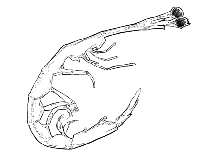
The length of the neck is greater than the length of the eye stalk. The eye stalks are long and slender. Length of the first antennular segment reaches to the edge of the comea. Length of the rostrum reaches only to the base of the eye stalk. The terminal portion of the sheath of the petasma is broad, flat and obliquely rounded, with a rudimentary protuberance and enclosed with a very conspicuous long hook. The lamelliform processus ventralis is distinct; the bottom of the deep terminal incision is transverse between the two horns. The anterior ventral process on the sixth abdominal segment in male is almost as long as the posterior process and slender, but the swollen distal part of the posterior process is bent considerably upwards. In the male telson the swollen section, the ventral protuberance, is large. The posterior margin of the ventral protuberance is somewhat remote from the end of the telson. The end of the telson narrows abruptly after the last pair of lateral spines on the telson. There are three pairs of spines on the tip of the telson. The outer pair of the spines are the longest but shorter than the width of the tip of the telson, each of the long spine has 4 spinules on the first half of the inside edge. The two pairs of inner spines do not have any spinules. The apical process of the terminal margin of the exopod of uropod is moderately long and deeply curved in male. In female the exopod is five times as long as broad; the end is oblique and the marginal apical process is smaller than in male.
ວົງຈອນຊີວິດ ແລະພຶດຕິກໍາການຫາຄູ່
ການຈະເລີນເຕັມໄວ | ການສືບພັນ | ການວາງໄຂ່ | ໄຂ່ | ຄວາມດົກຂອງໄຂ່ປາ | ຕົວອ່ອນ
Females carry loosely packed clusters of eggs attached to the ischia of the third pereiopods; these eggs remain attached until the nauplii emerges, which lasts for more or less 36 hours. The nauplius hatches out of the egg, it then undergoes protozeal and mysis stage into the post larva, juvenile and then to adult (Ref. 97328).
Pérez Farfante, I. and B. Kensley 1997 Penaeoid and Sergestoid shrimps and prawns of the world: keys and diagnoses for the families and genera. Mémoires du Muséum National d'Histoire Naturelle 175:1-233. (ເອກະສານອ້າງອີງ 75620)
ສະຖານະພາບບັນຊີແດງຂອງ IUCN
(ເອກະສານອ້າງອີງ 130435: Version 2025-2 (Global))
ສະຖານະ CITES (ເອກະສານອ້າງອີງ 108899)
Not Evaluated
CMS (ເອກະສານອ້າງອີງ 116361)
Not Evaluated
ໄພຂົ່ມຂູ່ຕໍ່ມະນຸດ
ການນໍາໃຊ້ຂອງມະນຸດ
FAO - Publication: search | FishSource |
ເຄື່ອງມື
ຂໍ້ມູນຕື່ມອີກ
ນິເວດວິທະຍາເຂດຮ້ອນລາຍການອາຫານ (ຜູ້ຖືກລ້າ)ອົງປະກອບຂອງອາຫານການບໍລິໂພກອາຫານຜູ້ລ້າ ນະໂຍບາຍດ້ານປະຊາກອນການເຕີບໃຫຍ່
ສູງສຸດ. ອາຍຸ / ຂະຫນາດ
ຄວາມຍາວ-ນ້ໍາຫນັກ rel.
ຄວາມຍາວ - ຄວາມຍາວ rel.
ຄວາມຖີ່ຄວາມຍາວ
ການແປງມະຫາຊົນ
ຄວາມອຸດົມສົມບູນ
ວົງຈອນຊີວິດການສືບພັນການຈະເລີນເຕັມໄວຄວາມດົກຂອງໄຂ່ປາການວາງໄຂ່ໄຂ່ການພັດທະນາໄຂ່ຕົວອ່ອນ ຟີຊິກສາດການບໍລິໂພກອົກຊີເຈນ
ມະນຸດທີ່ກ່ຽວຂ້ອງສະແຕມ, ຫຼຽນ, ອື່ນໆ.
ແຫຼ່ງອີນເຕີເນັດ
ການຄາດຄະເນໂດຍອີງໃສ່ແບບຈໍາລອງ
ຄວາມສ່ຽງຕໍ່ການຫາປາ
(ເອກະສານອ້າງອີງ 71543) |
(0 of 100). |
ປະເພດລາຄາ
(ເອກະສານອ້າງອີງ 80766): |
Unknown. |