Florideophyceae |
Gracilariales |
Gracilariaceae
ສະພາບແວດລ້ອມ: ສະພາບແວດລ້ອມ / ເຂດດິນຟ້າອາກາດ / ລະດັບຄວາມເລິກ / ຂອບເຂດການແຈກຢາຍ
ນິເວດວິທະຍາ
Sessile. Tropical
Indian Ocean: from Eritrea to Madagascar, including Seychelles and Mauritius, east to India and south to Sri Lanka, including Laccadive Islands; in the Bay of Bengal, from Burma to Indonesia, including Andaman and Nicobar Islands; Pacific Ocean: from China to the South China Sea south to New South Wales, Australia, including the Northern Mariana Islands, Federated States of Micronesia, Solomon Islands and Fiji, east to the Samoan Archipelago.
ຄວາມຍາວໃນການເຕີບໂຕເຕັມຄັ້ງທໍາອິດ / ຂະໜາດ / ນ້ຳໜັກ / ອາຍຸ
ການຈະເລີນເຕັມໄວ: Lm ? range ? - ? cm
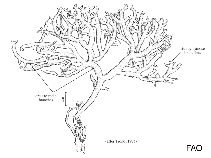
Thalli erect, cartilaginous, greenish brown to dark brown, or purple in colour, attached by a small discoid holdfast. Branching basically repeatedly dichotomous and divaricate. Branches terete, 1.5 to 2.2 mm in diameter, tapered and characteristically bifurcate at the terminal portions. Thalli up to 14 cm in height (Ref. 80758). G. edulis often has a turf-forming growth habit, profusely branched but with short internodal distances, forming dense and interlocked mats of short (<50 mm) plants attached to hard substrate (Ref. 82232). At Navulivatu, Serua, Fiji, longer unattached plants were found, that formed balls and relied upon entanglement in seagrasses for attachment and were opaque khaki brown in colour. G. edulis and G. sp. had the thinnest thalli, being about 1.5 mm in diameter (Ref. 82232).
Used for human consumption as food and as a source of agar; used as manure for coconuts and coffee bushes in Hainan, India and Sri Lanka (Ref. 80758); also considered as fresh sea-vegetable (Ref. 82232). Forms clumps in sandy-muddy or rocky intertidal areas, in dense tufts when growing on fish cages, and in loose fastigiate tufts on rocks in clear water (Ref. 80758); found in the high subtidal or lower intertidal zones of relatively sheltered rockflats or mudflats and sandbanks; in Nasese (subtidal mudflats on either side of Leveti creek mouth), Suva Harbour, Fiji, isolated clumps of G. eduliswere found beneath the layer of G. maramae plants, and could be distinguished by their tightly-knit mossy or turf-like appearance. Nearer to the shore, smaller amounts of scattered plants attached by holdfasts can almost always be found in sand and rubble areas, G. edulis forms a close-knit turf of small interlocked plants on the raised hard rock surfaces; In Nasese/Nasova (near Ratu sukuna Road junction, Suva Harbour, Fiji, G. edulis were abundant but fairly small. G. maramae and G. edulis can be found growing beside each other in identical environments while displaying major differences in growth habit. G. edulis has a very short, much-branched thallus that is thinner in diameter, and it grows in dense clumps that form a moss-like turf (Ref. 82232); in Kaba Peninsula, Fiji, in between the rocky headlands were intertidal sandy pools, often near mangroves and areas with freshwater runoff, these pools were lined up with a mix of species but dominated by at least two species of Laurencia epiphytized Hypnea plants, G. maramae and G. edulis. There was sufficient G. maramae present to enable collection for phycocolloid analysis, but other species were too small (>50 mm) and dirty to warrant collection. G. edulis were also found in an area of inter-tidal and high subtidal seagrass meadow on the shoreline near Navulivatu Settlement, Serua District, Fiji (Ref. 82232). G. edulis often has a turf-forming growth habit, profusely branched but with short internodal distances, forming dense and interlocked mats of short (<50 mm) plants attached to hard substrate (Ref. 82232). At Navulivatu, Serua, Fiji, longer unattached plants were found, that formed balls and relied upon entanglement in seagrasses for attachment and were opaque khaki brown in colour; thalli about 1.5 mm in diameter (Ref. 82232).
ວົງຈອນຊີວິດ ແລະພຶດຕິກໍາການຫາຄູ່
ການຈະເລີນເຕັມໄວ | ການສືບພັນ | ການວາງໄຂ່ | ໄຂ່ | ຄວາມດົກຂອງໄຂ່ປາ | ຕົວອ່ອນ
Guiry, M.D. and G.M. Guiry 2009 AlgaeBase. World-wide electronic publication, National University of Ireland, Galway. http://www.algaebase.org; searched on 14 April 2009. (ເອກະສານອ້າງອີງ 80701)
ສະຖານະພາບບັນຊີແດງຂອງ IUCN
(ເອກະສານອ້າງອີງ 130435: Version 2025-2 (Global))
ສະຖານະ CITES (ເອກະສານອ້າງອີງ 108899)
Not Evaluated
CMS (ເອກະສານອ້າງອີງ 116361)
Not Evaluated
ໄພຂົ່ມຂູ່ຕໍ່ມະນຸດ
Harmless (ເອກະສານອ້າງອີງ 80758)
ການນໍາໃຊ້ຂອງມະນຸດ
ການປະມົງ: ເປັນສີນຄ້າ; ການລ້ຽງສັດນ້ຳ: ການນຳໃຊ້ທີ່ເປັນໄປໄດ້ໃນອານາຄົດ
FAO - Publication: search | FishSource |
ເຄື່ອງມື
ຂໍ້ມູນຕື່ມອີກ
ນິເວດວິທະຍາເຂດຮ້ອນລາຍການອາຫານ (ຜູ້ຖືກລ້າ)
ອົງປະກອບຂອງອາຫານ
ການບໍລິໂພກອາຫານ
ຜູ້ລ້າ
ນະໂຍບາຍດ້ານປະຊາກອນການເຕີບໃຫຍ່ສູງສຸດ. ອາຍຸ / ຂະຫນາດຄວາມຍາວ-ນ້ໍາຫນັກ rel.ຄວາມຍາວ - ຄວາມຍາວ rel.ຄວາມຖີ່ຄວາມຍາວການແປງມະຫາຊົນຄວາມອຸດົມສົມບູນ ວົງຈອນຊີວິດການສືບພັນການຈະເລີນເຕັມໄວຄວາມດົກຂອງໄຂ່ປາການວາງໄຂ່ໄຂ່ການພັດທະນາໄຂ່ຕົວອ່ອນ ຟີຊິກສາດການບໍລິໂພກອົກຊີເຈນ
ມະນຸດທີ່ກ່ຽວຂ້ອງສະແຕມ, ຫຼຽນ, ອື່ນໆ.
ແຫຼ່ງອີນເຕີເນັດ
ການຄາດຄະເນໂດຍອີງໃສ່ແບບຈໍາລອງ
ຄວາມສ່ຽງຕໍ່ການຫາປາ
(ເອກະສານອ້າງອີງ 71543) |
(0 of 100). |