Malacostraca |
Decapoda |
Portunidae
ສະພາບແວດລ້ອມ: ສະພາບແວດລ້ອມ / ເຂດດິນຟ້າອາກາດ / ລະດັບຄວາມເລິກ / ຂອບເຂດການແຈກຢາຍ
ນິເວດວິທະຍາ
ກ່ຽວກັບ (ຢູ່)ເທິງຊັ້ນພື້ນດິນໃນທະເລເປີດ; ລະດັບຄວາມເລິກ 0 - 25 m (ເອກະສານອ້າງອີງ 97531), usually 0 - 5 m. Tropical
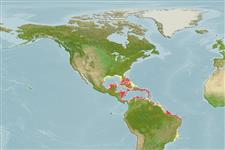
Western Atlantic: USA to Brazil.
ຄວາມຍາວໃນການເຕີບໂຕເຕັມຄັ້ງທໍາອິດ / ຂະໜາດ / ນ້ຳໜັກ / ອາຍຸ
ການຈະເລີນເຕັມໄວ: Lm ? range ? - ? cm Max length : 14.2 cm WD ຕົວຜູ້/ບໍ່ມີເພດ; (ເອກະສານອ້າງອີງ 367); 9.5 cm WD (female)
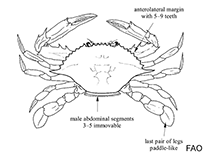
Carapace slightly more than twice as broad as long; 9 teeth on arched anterolateral margin (outer orbital tooth and strong lateral spine included), second to eighth usually trending forward, without shoulders, anterior margins concave except first 2; front (excluding outer orbital angles) bearing 4 teeth, inner pair small but definitely formed. Anterior half of convex dorsal surface coarsely granulate, variably finer and more numerous granules on posterior on posterior part and in transverse lines; central trapezoidal (metagastric) area short and wide (anterior width about 2.4 times, posterior width about 1.5 times length). Pincers dissimilar, ridged longitudinally, fingers compressed but broadened dorsoventrally producing pointed spatulate shape; fifth legs flattened in form fifth legs flattened in form of paddles. Male with T-shaped abdomen reaching slightly beyond suture between thoracic sternites 4 and 5, sixth segment nearly parallel-sided but broadened proximally; first pleopods short, reaching about midlength of sternite 7, approximately each other or occasionally overlapping at level of abrupt curve beyond which short terminal part tapers to rather sharp tip; armed with minute scattered retrogressive spinules distally. Color: carapace brown with areas of bluish black. Chelae brown above; fingers dark on external face except for tips and proximal portion, internal face dark in distal 2/3; dark color of fingers retained in preservation.
Benthopelagic (Ref. 97531). Inhabits a variety of shallow environments to depths seldom exceeding 15 m, usually 5 m or less; found often in intertidal pools, on sand and muddy flats, algae and grass flats, sand beaches, rocky pools, eroded coral bases, oyster bars, shallows at edges of mangroves, and at the surface under light at night. Feeds on mollusks, other bottom invertebrates, and fishes, carrion and detritus (Ref. 367),
ວົງຈອນຊີວິດ ແລະພຶດຕິກໍາການຫາຄູ່
ການຈະເລີນເຕັມໄວ | ການສືບພັນ | ການວາງໄຂ່ | ໄຂ່ | ຄວາມດົກຂອງໄຂ່ປາ | ຕົວອ່ອນ
Members of the order Decapoda are mostly gonochoric. Mating behavior: Precopulatory courtship ritual is common (through olfactory and tactile cues); usually indirect sperm transfer.
Tavares, M. 2003 True Crabs. pp. 327-352. In Carpenter, K.E. (ed.) The living marine resources of the Western Central Atlantic. Volume1: introdution, molluscs, crustaceans, hagfishes, sharks, batoid fishes, and chimaeras. FAO Species Identification Guide for Fishery Purposes and American Society of Ichthyologists and Herpetologists Special PublicationNo. 5. Rome, FAO. pp. 1-600. (ເອກະສານອ້າງອີງ 367)
ສະຖານະພາບບັນຊີແດງຂອງ IUCN
(ເອກະສານອ້າງອີງ 130435: Version 2025-2 (Global))
ສະຖານະ CITES (ເອກະສານອ້າງອີງ 108899)
Not Evaluated
CMS (ເອກະສານອ້າງອີງ 116361)
Not Evaluated
ໄພຂົ່ມຂູ່ຕໍ່ມະນຸດ
ການນໍາໃຊ້ຂອງມະນຸດ
ການປະມົງ: ທີ່ເປັນການຄ້າໜ້ອຍ
FAO - Publication: search | FishSource |
ເຄື່ອງມື
ຂໍ້ມູນຕື່ມອີກ
ນິເວດວິທະຍາເຂດຮ້ອນລາຍການອາຫານ (ຜູ້ຖືກລ້າ)
ອົງປະກອບຂອງອາຫານ
ການບໍລິໂພກອາຫານ
ຜູ້ລ້າ
ນະໂຍບາຍດ້ານປະຊາກອນການເຕີບໃຫຍ່
ສູງສຸດ. ອາຍຸ / ຂະຫນາດ
ຄວາມຍາວ-ນ້ໍາຫນັກ rel.
ຄວາມຍາວ - ຄວາມຍາວ rel.
ຄວາມຖີ່ຄວາມຍາວ
ການແປງມະຫາຊົນ
ຄວາມອຸດົມສົມບູນ
ວົງຈອນຊີວິດການສືບພັນການຈະເລີນເຕັມໄວຄວາມດົກຂອງໄຂ່ປາການວາງໄຂ່ໄຂ່ການພັດທະນາໄຂ່ຕົວອ່ອນ ຟີຊິກສາດການບໍລິໂພກອົກຊີເຈນ
ມະນຸດທີ່ກ່ຽວຂ້ອງສະແຕມ, ຫຼຽນ, ອື່ນໆ.
ແຫຼ່ງອີນເຕີເນັດ
ການຄາດຄະເນໂດຍອີງໃສ່ແບບຈໍາລອງ
ຄວາມສ່ຽງຕໍ່ການຫາປາ
(ເອກະສານອ້າງອີງ 71543) |
Low vulnerability (10 of 100). |
ປະເພດລາຄາ
(ເອກະສານອ້າງອີງ 80766): |
Very high. |