Cephalopoda |
Vampyromorpha |
Vampyroteuthidae
ສະພາບແວດລ້ອມ: ສະພາບແວດລ້ອມ / ເຂດດິນຟ້າອາກາດ / ລະດັບຄວາມເລິກ / ຂອບເຂດການແຈກຢາຍ
ນິເວດວິທະຍາ
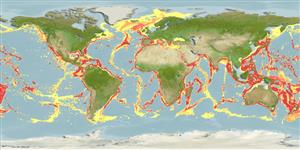
ກ່ຽວກັບ (ຢູ່) ໄກ້ໜ້ານ້ຳໃນທະເລເປີດ; ລະດັບຄວາມເລິກ 100 - 3000 m (ເອກະສານອ້າງອີງ 110525), usually 900 - 1100 m (ເອກະສານອ້າງອີງ 106682). Tropical; 44°N - 35°S, 180°W - 180°E (ເອກະສານອ້າງອີງ 96968)
Circumglobal in tropical and temperate waters.
ຄວາມຍາວໃນການເຕີບໂຕເຕັມຄັ້ງທໍາອິດ / ຂະໜາດ / ນ້ຳໜັກ / ອາຍຸ
ການຈະເລີນເຕັມໄວ: Lm ? range ? - ? cm Max length : 13.0 cm ML ຕົວຜູ້/ບໍ່ມີເພດ; (ເອກະສານອ້າງອີງ 96968)
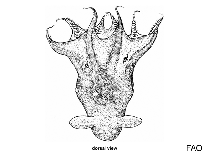
Total length is up to 30 cm (Ref. 96968). One type of a living fossil which showed very little change since it first appeared. The species could turn itself 'inside out' to avoid predators. Inhabits deep waters of open oceans (Ref. 843). Depths range from 600 to 1,200 m. This is a mid-water species. The long filaments in pits between the first two arm pairs may be used to feel for or chemically detect prey. Live animals observed in situ typically orient in the water column with the dorsal mantle surface facing upwards and one filament extended well beyond the arms. Disturbed animals pull the arms and web over their body to take on an inverted shape that exposes the black skin and cirri, on the oral surfaces of the webs. In addition to the large four photophores, this species can produce light on its arm tips and squirt luminous clouds from the arm tips consisting of discrete glowing particles, which can glow for up to 10 minutes (Ref. 96968).
ວົງຈອນຊີວິດ ແລະພຶດຕິກໍາການຫາຄູ່
ການຈະເລີນເຕັມໄວ | ການສືບພັນ | ການວາງໄຂ່ | ໄຂ່ | ຄວາມດົກຂອງໄຂ່ປາ | ຕົວອ່ອນ
Members of the class Cephalopoda are gonochoric. Male and female adults usually die shortly after spawning and brooding, respectively. Mating behavior: Males perform various displays to attract potential females for copulation. During copulation, male grasp the female and inserts the hectocotylus into the female's mantle cavity where fertilization usually occurs. Life cycle: Embryos hatch into planktonic stage and live for some time before they grow larger and take up a benthic existence as adults.
Jereb, P., C.F.E. Roper, M.D. Norman and J.K. Finn 2014 Cephalopods of the world. An Annotated and Illustrated catalogue of Cephalopod species known to date. Vol. 3. Octopods and vampire squids. FAO Species Catalogue for Fishery Purposes 3(4):370p. (ເອກະສານອ້າງອີງ 96968)
ສະຖານະພາບບັນຊີແດງຂອງ IUCN
(ເອກະສານອ້າງອີງ 130435: Version 2025-2 (Global))
ສະຖານະ CITES (ເອກະສານອ້າງອີງ 108899)
Not Evaluated
CMS (ເອກະສານອ້າງອີງ 116361)
Not Evaluated
ໄພຂົ່ມຂູ່ຕໍ່ມະນຸດ
ການນໍາໃຊ້ຂອງມະນຸດ
FAO - Publication: search | FishSource |
ເຄື່ອງມື
ຂໍ້ມູນຕື່ມອີກ
ນະໂຍບາຍດ້ານປະຊາກອນການເຕີບໃຫຍ່ສູງສຸດ. ອາຍຸ / ຂະຫນາດຄວາມຍາວ-ນ້ໍາຫນັກ rel.ຄວາມຍາວ - ຄວາມຍາວ rel.ຄວາມຖີ່ຄວາມຍາວການແປງມະຫາຊົນຄວາມອຸດົມສົມບູນ ວົງຈອນຊີວິດການສືບພັນການຈະເລີນເຕັມໄວຄວາມດົກຂອງໄຂ່ປາການວາງໄຂ່ໄຂ່ການພັດທະນາໄຂ່ຕົວອ່ອນ ຟີຊິກສາດການບໍລິໂພກອົກຊີເຈນ
ມະນຸດທີ່ກ່ຽວຂ້ອງສະແຕມ, ຫຼຽນ, ອື່ນໆ.
ແຫຼ່ງອີນເຕີເນັດ
ການຄາດຄະເນໂດຍອີງໃສ່ແບບຈໍາລອງ
ຄວາມສ່ຽງຕໍ່ການຫາປາ
(ເອກະສານອ້າງອີງ 71543) |
Low vulnerability (10 of 100). |
ປະເພດລາຄາ
(ເອກະສານອ້າງອີງ 80766): |
Unknown. |