Bivalvia |
Cardiida |
Cardiidae
ສະພາບແວດລ້ອມ: ສະພາບແວດລ້ອມ / ເຂດດິນຟ້າອາກາດ / ລະດັບຄວາມເລິກ / ຂອບເຂດການແຈກຢາຍ
ນິເວດວິທະຍາ
Benthic. Tropical; 23°C - 30°C (ເອກະສານອ້າງອີງ 102835); 13°N - 9°S, 109°E - 139°E (ເອກະສານອ້າງອີງ 106696)
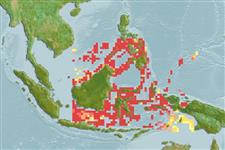
Western Central Pacific: Restricted in the tropical western Pacific. From Sabah, Malaysia to Palau, north to Philippines and south to Indonesia.
ຄວາມຍາວໃນການເຕີບໂຕເຕັມຄັ້ງທໍາອິດ / ຂະໜາດ / ນ້ຳໜັກ / ອາຍຸ
ການຈະເລີນເຕັມໄວ: Lm ? range ? - ? cm Max length : 41.1 cm SHL ຕົວຜູ້/ບໍ່ມີເພດ; (ເອກະສານອ້າງອີງ 117184); common length : 20.0 cm SHL ຕົວຜູ້/ບໍ່ມີເພດ; (ເອກະສານອ້າງອີງ 348)
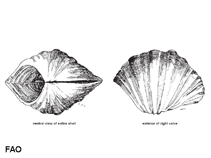
Its shell is thinner and smoother than that of H. hippopus, usually devoid of pigmentation, and more semi-circular in profile. The mantle is similar to that of H. hippopus (Rosewater, 1982), except that prominent papillae line the margins of the incurrent siphon.
Collected for food and shell (Ref. 348). Found in shallow waters. Young specimens often byssally attached to coral heads, mature specimens lack a byssus and lay unattached on the substrate (Ref. 348).
ວົງຈອນຊີວິດ ແລະພຶດຕິກໍາການຫາຄູ່
ການຈະເລີນເຕັມໄວ | ການສືບພັນ | ການວາງໄຂ່ | ໄຂ່ | ຄວາມດົກຂອງໄຂ່ປາ | ຕົວອ່ອນ
Broadcast spawners. Life cycle: Embryos develop into free-swimming trocophore larvae, succeeded by the bivalve veliger, resembling a miniature clam (Ref. 833).
Poutiers, J.M. 1998 Bivalves. Acephala, Lamellibranchia, Pelecypoda. p. 123-362. In Carpenter, K. E. and V. H. Niem. 1998. FAO species identification guide for fishery purposes. The living marine resources of the Western Central Pacific. Volume 1. Seaweeds, corals, bivalves, and gastropods. Rome, FAO. (ເອກະສານອ້າງອີງ 348)
ສະຖານະພາບບັນຊີແດງຂອງ IUCN
(ເອກະສານອ້າງອີງ 130435: Version 2025-2 (Global))
ສະຖານະ CITES (ເອກະສານອ້າງອີງ 108899)
CMS (ເອກະສານອ້າງອີງ 116361)
Not Evaluated
ໄພຂົ່ມຂູ່ຕໍ່ມະນຸດ
Harmless
ການນໍາໃຊ້ຂອງມະນຸດ
ການປະມົງ: ເປັນສີນຄ້າ
FAO - Aquaculture Systems: production search; Publication: search | FishSource | ທະເລອ້ອມຂ້າງພວກເຮົາ
ເຄື່ອງມື
ຂໍ້ມູນຕື່ມອີກ
ວົງຈອນຊີວິດການສືບພັນການຈະເລີນເຕັມໄວຄວາມດົກຂອງໄຂ່ປາການວາງໄຂ່ໄຂ່ການພັດທະນາໄຂ່ຕົວອ່ອນ ຟີຊິກສາດການບໍລິໂພກອົກຊີເຈນ
ມະນຸດທີ່ກ່ຽວຂ້ອງສະແຕມ, ຫຼຽນ, ອື່ນໆ.
ແຫຼ່ງອີນເຕີເນັດ
ການຄາດຄະເນໂດຍອີງໃສ່ແບບຈໍາລອງ
ຄວາມຢືດຢຸ່ນ
(Ref. 69278): |
ຕຳ່, ປະຊາກອນຕຳ່ສຸດທີ່ໃຊ້ເວລາສອງເທົ່າ 4.5 - 14 ປີ (K=0.13) |
ຄວາມສ່ຽງຕໍ່ການຫາປາ
(ເອກະສານອ້າງອີງ 71543) |
Moderate to high vulnerability (51 of 100). |
ປະເພດລາຄາ
(ເອກະສານອ້າງອີງ 80766): |
Unknown. |