Gastropoda |
Not assigned |
Lottiidae
ສະພາບແວດລ້ອມ: ສະພາບແວດລ້ອມ / ເຂດດິນຟ້າອາກາດ / ລະດັບຄວາມເລິກ / ຂອບເຂດການແຈກຢາຍ
ນິເວດວິທະຍາ
Benthic. Subtropical
Pacific Ocean: Alaska to Mexico. Boreal to tropical.
ຄວາມຍາວໃນການເຕີບໂຕເຕັມຄັ້ງທໍາອິດ / ຂະໜາດ / ນ້ຳໜັກ / ອາຍຸ
ການຈະເລີນເຕັມໄວ: Lm ? range ? - ? cm Max length : 5.4 cm SHL ຕົວຜູ້/ບໍ່ມີເພດ; (ເອກະສານອ້າງອີງ 95344); common length : 4.0 cm SHL ຕົວຜູ້/ບໍ່ມີເພດ; (ເອກະສານອ້າງອີງ 312)
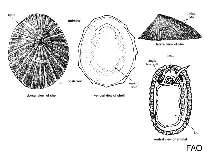
Apex near center, irregular ribbed slopes. Some possess a brown colored shell with alternating brown and white checks at the edge. Other colorations of this limpet exist and can be found in the same area. Both the substrate the limpet lives and its diet determine the color of its shell (Ref. 312).
It has a shell length of 4 cm (Ref. 312). Maximum shell height at 1.5 cm (Ref. 95344). Occurs in the middle to high intertidal zone (Ref. 312); common from the low to mid-intertidal; the largest individuals are found lower on the shore farthest from effect of wave action (Ref. 310). Non-selective herbivores, consuming a wide variety of algae (Ref. 312). Commonly found in mussel beds and associated with brown algae (e.g., the sea palm, Postelsia)
ວົງຈອນຊີວິດ ແລະພຶດຕິກໍາການຫາຄູ່
ການຈະເລີນເຕັມໄວ | ການສືບພັນ | ການວາງໄຂ່ | ໄຂ່ | ຄວາມດົກຂອງໄຂ່ປາ | ຕົວອ່ອນ
Members of the order Patellogastropoda are mostly gonochoric and broadcast spawners. Life cycle: Embryos develop into planktonic trocophore larvae and later into juvenile veligers before becoming fully grown adults.
Gallivan, G. and J. Danforth 1999 Phylum Mollusca. Marine Science Institute. (ເອກະສານອ້າງອີງ 312)
ສະຖານະພາບບັນຊີແດງຂອງ IUCN
(ເອກະສານອ້າງອີງ 130435: Version 2025-2 (Global))
ສະຖານະ CITES (ເອກະສານອ້າງອີງ 108899)
Not Evaluated
CMS (ເອກະສານອ້າງອີງ 116361)
Not Evaluated
ໄພຂົ່ມຂູ່ຕໍ່ມະນຸດ
ການນໍາໃຊ້ຂອງມະນຸດ
FAO - Publication: search | FishSource |
ເຄື່ອງມື
ຂໍ້ມູນຕື່ມອີກ
ນິເວດວິທະຍາເຂດຮ້ອນລາຍການອາຫານ (ຜູ້ຖືກລ້າ)
ອົງປະກອບຂອງອາຫານ
ການບໍລິໂພກອາຫານ
ຜູ້ລ້າ
ນະໂຍບາຍດ້ານປະຊາກອນການເຕີບໃຫຍ່
ສູງສຸດ. ອາຍຸ / ຂະຫນາດ
ຄວາມຍາວ-ນ້ໍາຫນັກ rel.
ຄວາມຍາວ - ຄວາມຍາວ rel.
ຄວາມຖີ່ຄວາມຍາວ
ການແປງມະຫາຊົນ
ຄວາມອຸດົມສົມບູນ
ວົງຈອນຊີວິດການສືບພັນການຈະເລີນເຕັມໄວຄວາມດົກຂອງໄຂ່ປາການວາງໄຂ່ໄຂ່ການພັດທະນາໄຂ່ຕົວອ່ອນ ຟີຊິກສາດການບໍລິໂພກອົກຊີເຈນ
ມະນຸດທີ່ກ່ຽວຂ້ອງສະແຕມ, ຫຼຽນ, ອື່ນໆ.
ແຫຼ່ງອີນເຕີເນັດ
ການຄາດຄະເນໂດຍອີງໃສ່ແບບຈໍາລອງ
ຄວາມສ່ຽງຕໍ່ການຫາປາ
(ເອກະສານອ້າງອີງ 71543) |
Low vulnerability (10 of 100). |
ປະເພດລາຄາ
(ເອກະສານອ້າງອີງ 80766): |
Unknown. |