Malacostraca |
Decapoda |
Pandalidae
ສະພາບແວດລ້ອມ: ສະພາບແວດລ້ອມ / ເຂດດິນຟ້າອາກາດ / ລະດັບຄວາມເລິກ / ຂອບເຂດການແຈກຢາຍ
ນິເວດວິທະຍາ
ກ່ຽວກັບ (ຢູ່)ເທິງຊັ້ນພື້ນດິນໃນທະເລເປີດ; ລະດັບຄວາມເລິກ 45 - 649 m (ເອກະສານອ້າງອີງ 82652). Temperate
Eastern Pacific and the Arctic. Temperate to boreal.
ຄວາມຍາວໃນການເຕີບໂຕເຕັມຄັ້ງທໍາອິດ / ຂະໜາດ / ນ້ຳໜັກ / ອາຍຸ
ການຈະເລີນເຕັມໄວ: Lm ? range ? - ? cmCommon length : 20.8 cm TL ຕົວຜູ້/ບໍ່ມີເພດ; (ເອກະສານອ້າງອີງ 118338)
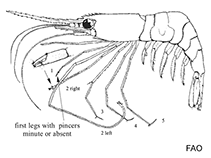
Superficially this species resembles Pandalus borealis, but is easily distinguished
by its long antennules and red and white striped abdomen. These stripes give the animal its common name of "side stripe" shrimp. The surface of the body is finely punctate. The rostrum is two to two and a half times the length of the rest of the carapace. There are 16 to 21 dorsal spines, three or four of which are on the carapace, those over the eyes are closely placed and on the remainder of the rostrum they are more distant. There are 9 to 15 inferior spines and the extremity of the rostrum is bifid or sometimes trifid. Next to Pandalus platyceros these are the largest shrimps.
Maximum depth from Ref. 79465. Larvae are pelagic, probably neritic. Juveniles and adults are sublittoral and bathyal (benthopelagic), found on green mud bottoms, sometimes on rocks. Food and feeding are yet to be described (Ref. 113898).
ວົງຈອນຊີວິດ ແລະພຶດຕິກໍາການຫາຄູ່
ການຈະເລີນເຕັມໄວ | ການສືບພັນ | ການວາງໄຂ່ | ໄຂ່ | ຄວາມດົກຂອງໄຂ່ປາ | ຕົວອ່ອນ
Larvae hatched in March or April, first three stages found in deep water. Males matured in the second autumn for about 18 months and remained sexually active for another year. Sex change began in spring, 3 years after hatching; become females (ovigerous) by autumn. Spawning occurs in the late fall and early winter, eggs carried throughout winter.
Williams, A.B., L.G. Abele, D.L. Felder, H.H. Hobbs Jr., R.B. Manning, P.A. McLaughlin and I. Pérez Farfante 1988 Common and scientific names of aquatic invertebrates from the United States and Canada: decapod crustaceans. American Fisheries Society Special Publication 17. 77 pp. + 12 figs. (ເອກະສານອ້າງອີງ 2214)
ສະຖານະພາບບັນຊີແດງຂອງ IUCN
(ເອກະສານອ້າງອີງ 130435: Version 2025-2 (Global))
ສະຖານະ CITES (ເອກະສານອ້າງອີງ 108899)
Not Evaluated
CMS (ເອກະສານອ້າງອີງ 116361)
Not Evaluated
ໄພຂົ່ມຂູ່ຕໍ່ມະນຸດ
ການນໍາໃຊ້ຂອງມະນຸດ
ການປະມົງ: ເປັນສີນຄ້າ
FAO - Publication: search | FishSource |
ເຄື່ອງມື
ຂໍ້ມູນຕື່ມອີກ
ນິເວດວິທະຍາເຂດຮ້ອນລາຍການອາຫານ (ຜູ້ຖືກລ້າ)ອົງປະກອບຂອງອາຫານການບໍລິໂພກອາຫານຜູ້ລ້າ ຟີຊິກສາດການບໍລິໂພກອົກຊີເຈນ
ມະນຸດທີ່ກ່ຽວຂ້ອງສະແຕມ, ຫຼຽນ, ອື່ນໆ.
ແຫຼ່ງອີນເຕີເນັດ
ການຄາດຄະເນໂດຍອີງໃສ່ແບບຈໍາລອງ