Malacostraca |
Decapoda |
Portunidae
ສະພາບແວດລ້ອມ: ສະພາບແວດລ້ອມ / ເຂດດິນຟ້າອາກາດ / ລະດັບຄວາມເລິກ / ຂອບເຂດການແຈກຢາຍ
ນິເວດວິທະຍາ
ກ່ຽວກັບ (ຢູ່)ເທິງຊັ້ນພື້ນດິນໃນທະເລເປີດ; ນ້ຳກ່ອຍ; ລະດັບຄວາມເລິກ 0 - 75 m (ເອກະສານອ້າງອີງ 101597). Tropical; 34°N - 29°S, 98°W - 34°W
Eastern Pacific and Western Atlantic: from South Carolina to Florida and Texas, to Mexico, Belize, Guatemala, Honduras, Nicaragua, Costa Rica, Panama (Miraflores Locks), including the West Indies, to Colombia, Venezuela, the Guianas and Brazil (from Para to Santa Catarina).
ຄວາມຍາວໃນການເຕີບໂຕເຕັມຄັ້ງທໍາອິດ / ຂະໜາດ / ນ້ຳໜັກ / ອາຍຸ
ການຈະເລີນເຕັມໄວ: Lm ? range ? - ? cm Max length : 12.9 cm CW ຕົວຜູ້/ບໍ່ມີເພດ; (ເອກະສານອ້າງອີງ 367); 12.4 cm CW (female)
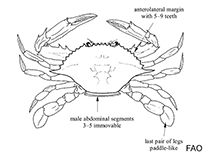
Carapace less than twice as broad as long; 9 stout teeth on strongly arched anterolateral margin, all except outer orbital tooth and short lateral spine usually swept forward; front bearing 4 well-developed teeth (excluding inner orbital angles). Coarse scattered and transverse lines of granules on convex dorsal surface. Pincers robust, ridges and crests coarsely granulate; fifth legs flattened form of paddles. Male with T-shaped abdomen reaching posterior quarter of thoracic sternite 4; first pleopods reaching slightly beyond suture between thoracic sternites 6 and 7, sinuously curved, overlapping proximally, diverging distally to tips curved abruptly inward, armed distally with scattered minute spinules. Color: adult male dorsally purplish red, more accented on proto-, meso-, and metagastric areas and at base of lateral spines and anterolateral teeth; branchial region and anterolateral teeth obscure maroon; dorsal surface of all legs purplish red with intense orange red on articulations; inferior portions of merus, carpus, and fingers of chelipeds intense violet; internal and external portion of chelae as well as remaining ventral aspect of animal white with tints of soft purple.
Maximum depth from Ref. 105697. Inhabits estuaries and shallow oceanic littoral zones, especially in association with mangroves and near river mouths, down to 8 m (Ref. 367). Possibly freshwater (Ref. 95880). Feeds on mollusks, other bottom invertebrates, fishes, carrion and detritus (Ref. 367). Digs the clam D. denticulatus out of the sand with one of its claws then handles and cracks its shell (Ref. 106085).
ວົງຈອນຊີວິດ ແລະພຶດຕິກໍາການຫາຄູ່
ການຈະເລີນເຕັມໄວ | ການສືບພັນ | ການວາງໄຂ່ | ໄຂ່ | ຄວາມດົກຂອງໄຂ່ປາ | ຕົວອ່ອນ
Members of the order Decapoda are mostly gonochoric. Mating behavior: Precopulatory courtship ritual is common (through olfactory and tactile cues); usually indirect sperm transfer.
Tavares, M. 2003 True Crabs. pp. 327-352. In Carpenter, K.E. (ed.) The living marine resources of the Western Central Atlantic. Volume1: introdution, molluscs, crustaceans, hagfishes, sharks, batoid fishes, and chimaeras. FAO Species Identification Guide for Fishery Purposes and American Society of Ichthyologists and Herpetologists Special PublicationNo. 5. Rome, FAO. pp. 1-600. (ເອກະສານອ້າງອີງ 367)
ສະຖານະພາບບັນຊີແດງຂອງ IUCN
(ເອກະສານອ້າງອີງ 130435: Version 2025-2 (Global))
ສະຖານະ CITES (ເອກະສານອ້າງອີງ 108899)
Not Evaluated
CMS (ເອກະສານອ້າງອີງ 116361)
Not Evaluated
ໄພຂົ່ມຂູ່ຕໍ່ມະນຸດ
ການນໍາໃຊ້ຂອງມະນຸດ
ການປະມົງ: ເປັນສີນຄ້າ
FAO - Publication: search | FishSource |
ເຄື່ອງມື
ຂໍ້ມູນຕື່ມອີກ
ວົງຈອນຊີວິດການສືບພັນການຈະເລີນເຕັມໄວຄວາມດົກຂອງໄຂ່ປາການວາງໄຂ່ໄຂ່ການພັດທະນາໄຂ່ຕົວອ່ອນ ຟີຊິກສາດການບໍລິໂພກອົກຊີເຈນ
ມະນຸດທີ່ກ່ຽວຂ້ອງສະແຕມ, ຫຼຽນ, ອື່ນໆ.
ແຫຼ່ງອີນເຕີເນັດ
ການຄາດຄະເນໂດຍອີງໃສ່ແບບຈໍາລອງ
ຄວາມສ່ຽງຕໍ່ການຫາປາ
(ເອກະສານອ້າງອີງ 71543) |
Low vulnerability (10 of 100). |
ປະເພດລາຄາ
(ເອກະສານອ້າງອີງ 80766): |
Very high. |