Scyphozoa |
Rhizostomeae |
Mastigiidae
ສະພາບແວດລ້ອມ: ສະພາບແວດລ້ອມ / ເຂດດິນຟ້າອາກາດ / ລະດັບຄວາມເລິກ / ຂອບເຂດການແຈກຢາຍ
ນິເວດວິທະຍາ
ກ່ຽວກັບ (ຢູ່) ໄກ້ໜ້ານ້ຳໃນທະເລເປີດ. Tropical; 47°N - 34°S, 28°E - 178°W
Indo-West Pacific: from South Africa north to Russia and east to Fiji. Tropical to temperate.
ຄວາມຍາວໃນການເຕີບໂຕເຕັມຄັ້ງທໍາອິດ / ຂະໜາດ / ນ້ຳໜັກ / ອາຍຸ
ການຈະເລີນເຕັມໄວ: Lm ? range ? - ? cm Max length : 8.0 cm WD ຕົວຜູ້/ບໍ່ມີເພດ; (ເອກະສານອ້າງອີງ 121705)
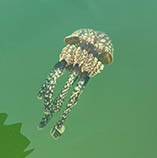
Up to 8 cm wide, usually hemispherical, exumbrella with very fine granulations; gelationous substance firm; deep furrows between the 8 velar lappets (in each octant); mouth-arms about half as long as bell diameter, the simple upper portion one and a half times as long as the three-winged lower portion; each arm usually, but not always, terminates in a club-like filament, triangularin cross-section; numerous small, club-shaped cesicles between mouths; less than 10 canal-roots in each octant; rhopalar canals clender, usually with anastomoses.
Mostly in shallow waters during the day to allow its symbiotic zooxanthellae (where it derives its energy from) to bathe in sunlight. Mainly solitary. As the sun mainly influences its habits, it descends to lower parts of the water column when the sun sets. It gathers food such as zooplankton, phytoplankton, small invertebrates, and microbes using the oral arms of its mouth (Ref. 101744).
ວົງຈອນຊີວິດ ແລະພຶດຕິກໍາການຫາຄູ່
ການຈະເລີນເຕັມໄວ | ການສືບພັນ | ການວາງໄຂ່ | ໄຂ່ | ຄວາມດົກຂອງໄຂ່ປາ | ຕົວອ່ອນ
Members of the class Scyphozoa are gonochoric. Life cycle: Egg is laid by the adult medusa which later develops into a free-living planula, then to a scyphistoma to a strobila, and lastly to a free-living young medusa.
Kramp, P.L. 1961 Synopsis of the medusae of the world. J Mar Biol Ass UK 40:1-469. (ເອກະສານອ້າງອີງ 2992)
ສະຖານະພາບບັນຊີແດງຂອງ IUCN
(ເອກະສານອ້າງອີງ 130435: Version 2025-2 (Global))
ສະຖານະ CITES (ເອກະສານອ້າງອີງ 108899)
Not Evaluated
CMS (ເອກະສານອ້າງອີງ 116361)
Not Evaluated
ໄພຂົ່ມຂູ່ຕໍ່ມະນຸດ
ການນໍາໃຊ້ຂອງມະນຸດ
FAO - Publication: search | FishSource |
ເຄື່ອງມື
ຂໍ້ມູນຕື່ມອີກ
ນະໂຍບາຍດ້ານປະຊາກອນການເຕີບໃຫຍ່
ສູງສຸດ. ອາຍຸ / ຂະຫນາດ
ຄວາມຍາວ-ນ້ໍາຫນັກ rel.
ຄວາມຍາວ - ຄວາມຍາວ rel.
ຄວາມຖີ່ຄວາມຍາວ
ການແປງມະຫາຊົນ
ຄວາມອຸດົມສົມບູນ
ວົງຈອນຊີວິດການສືບພັນການຈະເລີນເຕັມໄວຄວາມດົກຂອງໄຂ່ປາການວາງໄຂ່ໄຂ່ການພັດທະນາໄຂ່ຕົວອ່ອນ ຟີຊິກສາດການບໍລິໂພກອົກຊີເຈນ
ມະນຸດທີ່ກ່ຽວຂ້ອງສະແຕມ, ຫຼຽນ, ອື່ນໆ.
ແຫຼ່ງອີນເຕີເນັດ
ການຄາດຄະເນໂດຍອີງໃສ່ແບບຈໍາລອງ
ຄວາມສ່ຽງຕໍ່ການຫາປາ
(ເອກະສານອ້າງອີງ 71543) |
Low vulnerability (10 of 100). |
ປະເພດລາຄາ
(ເອກະສານອ້າງອີງ 80766): |
Unknown. |