Holothuroidea |
Holothuriida |
Holothuriidae
ສະພາບແວດລ້ອມ: ສະພາບແວດລ້ອມ / ເຂດດິນຟ້າອາກາດ / ລະດັບຄວາມເລິກ / ຂອບເຂດການແຈກຢາຍ
ນິເວດວິທະຍາ
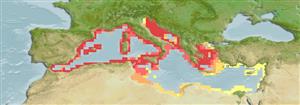
Benthic; ລະດັບຄວາມເລິກ 0 - 123 m (ເອກະສານອ້າງອີງ 85345). Subtropical
Atlantic and the Mediterranean Sea: Turkey and Algeria.
ຄວາມຍາວໃນການເຕີບໂຕເຕັມຄັ້ງທໍາອິດ / ຂະໜາດ / ນ້ຳໜັກ / ອາຍຸ
ການຈະເລີນເຕັມໄວ: Lm ? range ? - ? cm Max length : 30.0 cm TL ຕົວຜູ້/ບໍ່ມີເພດ; (ເອກະສານອ້າງອີງ 366); ນ້ຳໜັກສູງສຸດທີ່ເຄຍຈັດພີມມາ: 340.00 g (ເອກະສານອ້າງອີງ 366)
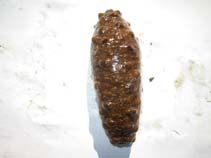
Maximum size: 25 cm (Ref. 358); approximately 30 cm. maximum width: 6 cm. Average weight: 340 g (Ref. 363). Body: with more or less round cross section; is provided with the ventral face with 3 lines with parapodes with suction cup. Tegument: comprises many papillae of sunk color, prolonged by a final silk of dark color; resistant in the majority of the cases and is very seldom thin. Variable coloring of the red with nuance of brown which some time draws on the purple one. The animal is deprived of tubes of Vat (Ref. 358).
Maximum size: 25 cm (Ref. 358); approximately 30 cm (Ref. 366). Method: Captured with the hand, with dredgers and trawls basic, and probably used like food in some countries. Fisheries: Probably one of the species which Turkey exports in Japan (Ref. 366). Habitat: Sandy rich person funds muddy out of organic remains, or on hard substrates forks and spoons of plants. Present at all depths, the species is very common, even locally very abundant, but does not seem not represented in the sectors western and southern of the basin. Biology: the tubules sea cucumber nourishes various organic fragments, (charging) literally the elements of the ground in its oral opening, located at the back of the body, using its tentacles oral of flattened form. The animal sorts and introduces the edible organic substances, and rejects the elements not metabolize, particularly sand, in the form of lengthened excrements (Ref. 358). Habitat: Very common benthic species, approximately presents littoral zone up to 100 m of depth, on the rock funds covered with algae, the meadows of Posidonia sp. and other phanerogams, sand and the mud. It is said that it moves at the speed of one meter every 10 minutes. Very often shelter fish of the Carapus sp. kind. Eviscerate easily when it is disturbed (Ref. 366). Occurs at the low tide mark.
ວົງຈອນຊີວິດ ແລະພຶດຕິກໍາການຫາຄູ່
ການຈະເລີນເຕັມໄວ | ການສືບພັນ | ການວາງໄຂ່ | ໄຂ່ | ຄວາມດົກຂອງໄຂ່ປາ | ຕົວອ່ອນ
A migration towards surface waters occurs, especially at the end of the summer, at the end which the expenses are easily recognizable, since one sees them vertically drawing up the 2/3 of their body and expelling their gametes in the form of fine clouds in the surrounding medium (Ref. 358).
Göthel, H. 1992 Guide de la faune sous-marine: La Méditerranée. Invertébrés marins et poissons. Eygen Ulmer GmbH & Co. 318 p. (ເອກະສານອ້າງອີງ 358)
ສະຖານະພາບບັນຊີແດງຂອງ IUCN
(ເອກະສານອ້າງອີງ 130435: Version 2025-2 (Global))
ສະຖານະ CITES (ເອກະສານອ້າງອີງ 108899)
Not Evaluated
CMS (ເອກະສານອ້າງອີງ 116361)
Not Evaluated
ໄພຂົ່ມຂູ່ຕໍ່ມະນຸດ
ການນໍາໃຊ້ຂອງມະນຸດ
ການປະມົງ: ເປັນສີນຄ້າ
FAO - Publication: search | FishSource |
ເຄື່ອງມື
ຂໍ້ມູນຕື່ມອີກ
ນິເວດວິທະຍາເຂດຮ້ອນລາຍການອາຫານ (ຜູ້ຖືກລ້າ)
ອົງປະກອບຂອງອາຫານ
ການບໍລິໂພກອາຫານ
ຜູ້ລ້າ
ນະໂຍບາຍດ້ານປະຊາກອນການເຕີບໃຫຍ່ສູງສຸດ. ອາຍຸ / ຂະຫນາດຄວາມຍາວ-ນ້ໍາຫນັກ rel.ຄວາມຍາວ - ຄວາມຍາວ rel.ຄວາມຖີ່ຄວາມຍາວການແປງມະຫາຊົນຄວາມອຸດົມສົມບູນ ວົງຈອນຊີວິດການສືບພັນການຈະເລີນເຕັມໄວຄວາມດົກຂອງໄຂ່ປາການວາງໄຂ່ໄຂ່ການພັດທະນາໄຂ່ຕົວອ່ອນ ຟີຊິກສາດການບໍລິໂພກອົກຊີເຈນ
ມະນຸດທີ່ກ່ຽວຂ້ອງສະແຕມ, ຫຼຽນ, ອື່ນໆ.
ແຫຼ່ງອີນເຕີເນັດ
ການຄາດຄະເນໂດຍອີງໃສ່ແບບຈໍາລອງ
ຄວາມຢືດຢຸ່ນ
(Ref. 69278): |
ສູງ, ປະຊາກອນຕຳ່ສຸດທີ່ໃຊ້ເວລາສອງໜ້ອຍກວ່າ 15 ເດືອນ (K=0.66) |
ຄວາມສ່ຽງຕໍ່ການຫາປາ
(ເອກະສານອ້າງອີງ 71543) |
Low vulnerability (22 of 100). |
ປະເພດລາຄາ
(ເອກະສານອ້າງອີງ 80766): |
Unknown. |