Demospongiae |
Suberitida |
Suberitidae
ສະພາບແວດລ້ອມ: ສະພາບແວດລ້ອມ / ເຂດດິນຟ້າອາກາດ / ລະດັບຄວາມເລິກ / ຂອບເຂດການແຈກຢາຍ
ນິເວດວິທະຍາ
Sessile; ລະດັບຄວາມເລິກ 0 - 1100 m (ເອກະສານອ້າງອີງ 119523). Polar
ການແຜ່ກະຈາຍ
Territories | ເຂດ FAO | ລະບົບນິເວດ | ການປະກົດຕົວ | ການແນະນຳ
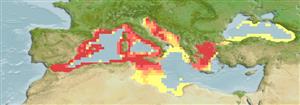
Arctic, Northeast Atlantic and the Mediterranean. Subtropical to polar.
ຄວາມຍາວໃນການເຕີບໂຕເຕັມຄັ້ງທໍາອິດ / ຂະໜາດ / ນ້ຳໜັກ / ອາຍຸ
ການຈະເລີນເຕັມໄວ: Lm ? range ? - ? cm Max length : 10.0 cm WD ຕົວຜູ້/ບໍ່ມີເພດ; (ເອກະສານອ້າງອີງ 358)
Sponge of more or less spherical form. Maximum diameter: 10 cm. Smooth surface; comprising only some small channels; often even one and single. Consistency charnue; not very elastic. Variable coloring; of orange to the marbled light blue.
Maximum diameter: 10 cm (Ref. 358). Established on the shells inhabited by the bernards the hermit, and attends primarily the muddy funds and with sandy tendency, more rarely the mattes racinaires of the underwater herbaria. Biology: the species is fixed primarily on the shells inhabited by Paguristes eremita, the Bernard the hermit. The 2 partners being recipients of this association, one will speak about a true symbiosis. This spongiae escapes thus from its condition from sedentary invertebrate, and a mobility acquires which allows him inter alia diffusing its gamètes more widely sexual. Also benefiting from the food of the host, the sponge increases moreover the extent of its food resources. The sponge having covered entirely the shell with the Bernard the hermit, continues his growth by increasing space and by preserving the direction spiral of the shell, the pagure does not need progressively to seek its growth of new refuges. In addition, the spongiae secretes toxic and repulsive substances, which hold predatory shellfish remotely, which, in the final analysis, enjoys a higher protection and a flexible personal habitat (Ref. 358).
ວົງຈອນຊີວິດ ແລະພຶດຕິກໍາການຫາຄູ່
ການຈະເລີນເຕັມໄວ | ການສືບພັນ | ການວາງໄຂ່ | ໄຂ່ | ຄວາມດົກຂອງໄຂ່ປາ | ຕົວອ່ອນ
Members of the class Demospongiae are hermaphroditic. Life cycle: The zygote develops into parenchymella larva (free-swimming) before settling down on a substrate where it grows into a young sponge.
Göthel, H. 1992 Guide de la faune sous-marine: La Méditerranée. Invertébrés marins et poissons. Eygen Ulmer GmbH & Co. 318 p. (ເອກະສານອ້າງອີງ 358)
ສະຖານະພາບບັນຊີແດງຂອງ IUCN
(ເອກະສານອ້າງອີງ 130435: Version 2025-2 (Global))
ສະຖານະ CITES (ເອກະສານອ້າງອີງ 108899)
Not Evaluated
CMS (ເອກະສານອ້າງອີງ 116361)
Not Evaluated
ໄພຂົ່ມຂູ່ຕໍ່ມະນຸດ
ການນໍາໃຊ້ຂອງມະນຸດ
FAO - Publication: search | FishSource |
ເຄື່ອງມື
ຂໍ້ມູນຕື່ມອີກ
ນິເວດວິທະຍາເຂດຮ້ອນລາຍການອາຫານ (ຜູ້ຖືກລ້າ)
ອົງປະກອບຂອງອາຫານ
ການບໍລິໂພກອາຫານ
ຜູ້ລ້າ
ນະໂຍບາຍດ້ານປະຊາກອນການເຕີບໃຫຍ່ສູງສຸດ. ອາຍຸ / ຂະຫນາດຄວາມຍາວ-ນ້ໍາຫນັກ rel.ຄວາມຍາວ - ຄວາມຍາວ rel.ຄວາມຖີ່ຄວາມຍາວການແປງມະຫາຊົນຄວາມອຸດົມສົມບູນ ວົງຈອນຊີວິດການສືບພັນການຈະເລີນເຕັມໄວຄວາມດົກຂອງໄຂ່ປາການວາງໄຂ່ໄຂ່ການພັດທະນາໄຂ່ຕົວອ່ອນ ຟີຊິກສາດການບໍລິໂພກອົກຊີເຈນ
ມະນຸດທີ່ກ່ຽວຂ້ອງສະແຕມ, ຫຼຽນ, ອື່ນໆ.
ແຫຼ່ງອີນເຕີເນັດ
ການຄາດຄະເນໂດຍອີງໃສ່ແບບຈໍາລອງ
ຄວາມສ່ຽງຕໍ່ການຫາປາ
(ເອກະສານອ້າງອີງ 71543) |
Low vulnerability (10 of 100). |
ປະເພດລາຄາ
(ເອກະສານອ້າງອີງ 80766): |
Unknown. |