Pycnogonida |
Pantopoda |
Pycnogonidae
ပတ်ဝန်းကျင် : ပတ်ဝန်းကျင် / ရာသီဥတုဇုန် / အနက္အတိုင္းအတာ / ဖြန့်ဖြူးမှုအပိုင်း
ေဂဟေဗဒကိုေလ့လာေသာ ဘာသာရပ္
Benthic; အနက္အတိုင္းအတာ 0 - 1262 m (က်မ္းကိုးစာရင္း 2007). Subtropical; 78°N - 30°N, 72°W - 37°E
Northern Atlantic, Arctic Ocean and the Mediterranean.
ပထမအရွယ်တွင် အရှည် / အရြယ္အစား / အေလးခ်ိန္ / အသက္အရြယ္
မိ်ဳးပြားရန္အရြယ္ေရာက္ျပီ: Lm ? range ? - ? cm
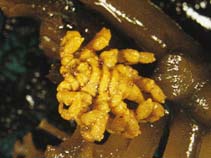
Proboscis: Attached relatively large animals such as actinians or sponges. Cuticle (covering the proboscis): May be smooth, partly, or wholly covered with tubercles. Proboscis (tip): Small and buld-like, once inserted in the host tissues they close round it and help to anchor the mouth in position to maintain suction. Mouth at the tip of the proboscis: triadiate structure which usually has three lip-lobes with a number of small tubercles (Ref. 12). Feeding on hosts: hydroid Tealia crassicornis, by suction and rasping of jaws,Lucernaria, Cucumaria frondosa, Metridiumdianthus and Metridium senile (Ref. 233, 229); polyzoans rotting edges of Flustra foliaces (Ref. 234); Milne-Edwardsia loweni, Tealia crassicornis, Lucernaria, Cucumaria frondosa, Metridium dianthus, Metridium senile, and Cynthia. Method of feeding: insertion of proboscis into tissues of the host (Ref. 233, 229). Association with other animals: Clava multicornis, Actinia, Tealia, Metridium,and Alcyonarium digitatum (Ref. 213); polyzoan Flustra foliacea (Ref. 12). Development site of larval associations: Clava multicornis with proboscis inserted (Ref. 213). Reproduction system: ova ripen in the trunk part of the ovary. Life cycle: male rests for a long period on the back of the female with their genital orifices touching. These orifices are situated on the ventral surface of the second coxa of the last pair of legs in the male and on the dorsal aspect of the same leg and segment in the female. When eggs are released they forma single extensive ball in this species with both ovigerous legs embedded in it (Ref. 12).
Epibenthic (Ref. 87524). Littoral (Ref. 1797) from coastal to slope (Ref. 19). Feeding on hosts, i.e., sea cucumbers, tunicates and hydroids and hard corals (Refs. 229, 233, 234) by inserting proboscis into tissues of the host (Refs. 233 and 229). Free-living (Ref. 3123). Prefers anemones Calliactis sp. and Adamsia sp. over Actinia sp. and Tealia sp. as its host. Reported one case where it fed on the holothurian Cucumaria frondosa (Ref. 121217).
ဘဝသံသရာနှင့် မိတ်လိုက်သည့် အပြုအမူ
မိ်ဳးပြားရန္အရြယ္ေရာက္ျပီ | မ်ိဳးပြားသားေပါက္ျခင္း | သားေပါက္ျခင္း | ဥမ်ား | ဥခ်နွဳန္း | သားေလာင္း
Reproduction system: ova ripen in the trunk part of the ovary. Life cycle: male rests for a long period on the back of the female with their genital orifices touching. These orifices are situated on the ventral surface of the second coxa of the last pair of legs in the male and on the dorsal aspect of the same leg and segment in the female. When eggs are released they form a single extensive ball in this species with both ovigerous legs embedded in it (Ref. 12).
Bamber, R.N. and M.H. Thurston 1995 The deep-water pycnogonids (Arthropoda, Pycnogonida) of the northeastern Atlantic Ocean. Zoological Journal of the Linnean Society. 115:117-162. (က်မ္းကိုးစာရင္း 1797)
စိုးရိမ္ဖြယ္အေျခအေနသို႔ေရာက္ရွိေန ေသာမ်ိဳးသုဥ္းရွားပါးေတာ့မည့္မ်ိဳးစိတ္မ်ား၏အဆင့္အတန္း
(က်မ္းကိုးစာရင္း 130435: Version 2025-2 (Global))
မ်ဳိးသုန္းေပ်ာက္ကြယ္ရန္ နီးကပ္ေနေသာမ်ဳိးစိတ္မ်ားကို ေရာင္းဝယ္ျခင္းမွ ကာကြယ္ရန္ ႏုိင္ငံတကာဆိုင္ရာအစည္းအေဝး၏ အေျခအေန (က်မ္းကိုးစာရင္း 108899)
Not Evaluated
CMS (က်မ္းကိုးစာရင္း 116361)
Not Evaluated
လူသားမ်ားကို ထိတ္လန္႔ေျခာက္ျခားေစသည္။
လူသားမ်ား၏အသံုးခ်မႈ
FAO - Publication: search | FishSource |
အသံုးျပဳေသာကိရိယာ
ပိုမိုေသာသတင္းအခ်က္အလက္မ်ားကိုရယူနုိင္ရန္္
အစာရရွိမႈကြင္းဆက္နွင့္ အစာစားေသာအေလ့အက်င့္နွင့္ ပတ္၀န္းက်င္ဆက္စပ္မႈ ေဂဟေဗဒကိုေလ့လာေသာ ဘာသာရပ္ လူဦးရေ ဒိုင်းနမစ်ၾကီးထြားမႈ
မက်တယ်။ အသက်/အရွယ်
အရှည်-အလေးချိန် rel
အလျား-အလျား rel။
ကိုယ္အလ်ားမ်ား၏အတိုင္းအထြာ ၾကိမ္ႏႈန္းမ်ား
အစုလိုက်အပြုံလိုက်ပြောင်းလဲခြင်း။
ေပါၾကြယ္၀မွဳ
ဇီဝကမ္မဗေဒေလအသံုးျပဳမႈ ၊ ေလသံုးစြဲမႈပမာဏ
လူသားနဲ့ဆိုင်တယ်။တံဆိပ်ခေါင်းများ၊ အကြွေစေ့များ၊
အင္တာနက္အရင္းအျမစ္
မော်ဒယ်များကို အခြေခံ၍ ခန့်မှန်းချက်
ငါးဖမ်းခြင်း အားနည်းချက်
(က်မ္းကိုးစာရင္း 71543) |
(0 of 100). |
ေစ်းနႈန္းအမ်ိဳးအစားကို အဆင့္ဆင့္ခြဲျခားျခင္း
(က်မ္းကိုးစာရင္း 80766): |
Unknown. |