Bivalvia |
Ostreida |
Ostreidae
ສະພາບແວດລ້ອມ: ສະພາບແວດລ້ອມ / ເຂດດິນຟ້າອາກາດ / ລະດັບຄວາມເລິກ / ຂອບເຂດການແຈກຢາຍ
ນິເວດວິທະຍາ
Benthic; ນ້ຳກ່ອຍ. Subtropical; 37°N - 17°N, 108°E - 134°E
Northwest Pacific: from Japan to South Korea, China and Taiwan.
ຄວາມຍາວໃນການເຕີບໂຕເຕັມຄັ້ງທໍາອິດ / ຂະໜາດ / ນ້ຳໜັກ / ອາຍຸ
ການຈະເລີນເຕັມໄວ: Lm ? range ? - ? cm Max length : 6.0 cm SHL ຕົວຜູ້/ບໍ່ມີເພດ; (ເອກະສານອ້າງອີງ 101471)
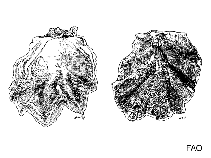
Studies show that in comparison to Crassostrea gigas, this species is slower in growth, and smaller size. Morphologically, its left valve is deeply cupped its shell is ridged or highly wrinkled. In its native range, mature eggs are produced in early winter, while in the US Pacific, it comes in late summer through early winter (Refs. 86666, 86667). It is also known to have a one-way gametic incompatibility barrier, which prohibits the sperm of this species to fertilize other species, i.e., Crassostrea gigas (Refs. 86666, 86668). Since 1947, this species has been imported to the US for experimental and commercial purposes (Ref. 86669). Its conservation status remains questionnable due to the lack of information on its distribution as well as the taxonomic confusion with Crassostrea gigas (Ref. 86665). This species is found in intertidal areas, particularly on hard substrates (Ref. 86665). Also occurs in a muddy flat (Ref. 106134) as well as in estuary in tidal flats (Ref. 106135). In general, suspension feeding bivalves mainly depend on phytoplankton and detritus material for nutrition (Ref. 107088).
ວົງຈອນຊີວິດ ແລະພຶດຕິກໍາການຫາຄູ່
ການຈະເລີນເຕັມໄວ | ການສືບພັນ | ການວາງໄຂ່ | ໄຂ່ | ຄວາມດົກຂອງໄຂ່ປາ | ຕົວອ່ອນ
In its native range, mature eggs are produced in early winter, while in the US Pacific, it comes in late summer through early winter (Ref. 86666, 86667).
Camara, M. D., J.P. Davis, M. Sekino, D. Hedgecock, G. Li, C.J. Langdon and S. Evans 2008 The Kumamoto oyster Crassostrea sikamea is neither rare nor threatened by hybridization in the Northern Ariake sea, Japan. Journal of Shellfish Research 27(2):313-322. (ເອກະສານອ້າງອີງ 86665)
ສະຖານະພາບບັນຊີແດງຂອງ IUCN
(ເອກະສານອ້າງອີງ 130435: Version 2025-2 (Global))
ສະຖານະ CITES (ເອກະສານອ້າງອີງ 108899)
Not Evaluated
CMS (ເອກະສານອ້າງອີງ 116361)
Not Evaluated
ໄພຂົ່ມຂູ່ຕໍ່ມະນຸດ
Harmless
ການນໍາໃຊ້ຂອງມະນຸດ
ການປະມົງ: ເປັນສີນຄ້າ
FAO - Publication: search | FishSource | ທະເລອ້ອມຂ້າງພວກເຮົາ
ເຄື່ອງມື
ຂໍ້ມູນຕື່ມອີກ
ນະໂຍບາຍດ້ານປະຊາກອນການເຕີບໃຫຍ່
ສູງສຸດ. ອາຍຸ / ຂະຫນາດ
ຄວາມຍາວ-ນ້ໍາຫນັກ rel.
ຄວາມຍາວ - ຄວາມຍາວ rel.
ຄວາມຖີ່ຄວາມຍາວ
ການແປງມະຫາຊົນ
ຄວາມອຸດົມສົມບູນ
ວົງຈອນຊີວິດການສືບພັນການຈະເລີນເຕັມໄວຄວາມດົກຂອງໄຂ່ປາການວາງໄຂ່ໄຂ່ການພັດທະນາໄຂ່ຕົວອ່ອນ ຟີຊິກສາດການບໍລິໂພກອົກຊີເຈນ
ມະນຸດທີ່ກ່ຽວຂ້ອງສະແຕມ, ຫຼຽນ, ອື່ນໆ.
ແຫຼ່ງອີນເຕີເນັດ
ການຄາດຄະເນໂດຍອີງໃສ່ແບບຈໍາລອງ
ຄວາມສ່ຽງຕໍ່ການຫາປາ
(ເອກະສານອ້າງອີງ 71543) |
Low vulnerability (10 of 100). |
Nutrients
|
Calcium = 149 [71, 228] mg/100g; Iron = 8.53 [1.95, 15.11] mg/100g; Protein = 9.88 [8.64, 11.12] %; Omega3 = 0.313 [0.202, 0.423] g/100g; Selenium = 61 [50, 72] μg/100g; VitaminA = 0 μg/100g; Zinc = 2.04 [0.56, 3.51] mg/100g (wet weight); based on nutrient studies. |