Mammalia |
Carnivora |
Phocidae
البيئة: الوسط / المنطقة المناخية / نطاق العمق / نطاق التوزيع
البيئة
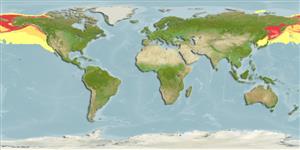
قاعية المعيشة. Subtropical; 90°N - 0°S, 126°E - 115°W
Pacific Ocean and the Arctic: Eastern side of Ostrov Sakhalin to northern Hokkaido. Subtropical to polar.
الطول عند النضج الأول / الحجم / وزن / العمر
النضج: Lm ? range ? - ? cm Max length : 170 cm TL ذكر/ مختلط الجنس; (مرجع 1394); 160 cm TL (female); أعلا وزن تم نشرة: 123.0 kg (مرجع 1394)
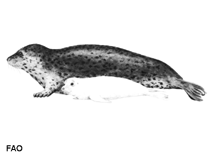
Inhabit the southern edges of the pack ice from winter to early summer and coastal areas including river mouths, in late summer and autumn. Diet composition varies with the age of the seal; Newly weaned pups feed on small crustaceans, advance to schooling fishes, larger crustaceans, and octopuses, and finally graduate to bottom dwelling fish and cephalopods (Ref. 1394). Inhabits the southern edges of the pack ice from winter to early summer and coastal areas including river mouths, in late summer and autumn. Diet composition varies with the age of the seal; newly weaned pups feed on small crustaceans, advance to schooling fishes, larger crustaceans, and octopuses, and finally graduate to bottom dwelling fish and cephalopods (Ref. 1394). Those in their first year tend to eat mostly small crustaceans, algae, sticks and debris; 1 to 4 year olds mostly eat fishes, larger shrimps, and octopus, occasionally; 5 year olds consumed more benthic invertebrates like crabs and octopus (Ref. 119414).
دورة الحياة وسلوك التزاوج
النضج | التكاثر | وضع البيض | بيض | الخصوبة | اليرقات
Jefferson, T.A., S. Leatherwood and M.A. Webber 1993 FAO species Identification Guide: Marine Mammals of the World. Rome, FAO. 320 p. + 587 figures. (مرجع 1394)
حالة القائمة الحمراء للاتحاد الدولي لحفظ الطبيعة والموارد الطبيعية
(مرجع 130435: Version 2025-2 (Global))
حالته حسب اتفاقية سايتس (مرجع 108899)
Not Evaluated
Not Evaluated
خطر للأنسان
استخدامات بشرية
مصائد: تجاري
FAO - مصائد: ملف الأنواع, landings search; Publication: search | FishSource | البحر حولنا
أدوات
مزيد من المعلومات
دورة الحياةالتكاثرالنضجالخصوبةوضع البيضبيضتطور البيضةاليرقات علم وظائف الأعضاءاستهلاك الأوكسجين
ذات الصلة بالبشرطوابع بريدية وعملات معدنية ومتنوعة
مصادر علي الأنترنت
تقديرات تستند إلى النماذج
المرونه
(Ref. 69278): |
وسيط, الحد الزمني الأدني لتضاعف عدد أفراد المجتمع 1.4-4.4 سنة (K=0.16-0.44) |
ضعف الصيد
(مرجع 71543) |
High to very high vulnerability (72 of 100). |
فئة السعر
(مرجع 80766): |
Unknown. |