Aves |
Charadriiformes |
Laridae
ສະພາບແວດລ້ອມ: ສະພາບແວດລ້ອມ / ເຂດດິນຟ້າອາກາດ / ລະດັບຄວາມເລິກ / ຂອບເຂດການແຈກຢາຍ
ນິເວດວິທະຍາ
ກ່ຽວກັບ (ຢູ່) ໄກ້ໜ້ານ້ຳໃນທະເລເປີດ. Tropical; 35°N - 40°S (ເອກະສານອ້າງອີງ 96995)
Indo-Pacific, Atlantic Ocean and the Mediterranean.
ຄວາມຍາວໃນການເຕີບໂຕເຕັມຄັ້ງທໍາອິດ / ຂະໜາດ / ນ້ຳໜັກ / ອາຍຸ
ການຈະເລີນເຕັມໄວ: Lm ? range ? - ? cm Max length : 45.0 cm TL ຕົວຜູ້/ບໍ່ມີເພດ; (ເອກະສານອ້າງອີງ 8812); ນ້ຳໜັກສູງສຸດທີ່ເຄຍຈັດພີມມາ: 180.00 g (ເອກະສານອ້າງອີງ 356); ອາຍຸສູງສຸດທີ່ເຄຍລາຍງານມາ: 36 ປີ (ເອກະສານອ້າງອີງ 8545)
Culmen: 4.53 cm; tarsus: 2.52 cm; wing: 30.5 cm.
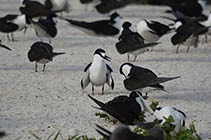
Total Length: 43 to 45 cm; Wingspan: 86 to 94 cm (Ref. 8812). Pelagic (Ref. 122680). Coastal and oceanic islands, and offshore (Ref. 356). In beach, shoreline and pelagic zone (Ref. 116102). Pantropic, pelagic species. Strong flyer, high over the ocean. Forms large breeding colonies on tropical and subtropical islands on sand, coral and rock, with or without vegetation. Forages in flocks (Ref. 84934). Remains 10 to 20 m above water then descends and wheels in circles before grabbing its food (Ref. 356). Feeding techniques: air dipping and contact dipping from the water surface (Refs. 356, 96995). Diet consists of squid, goatfish, flyingfish and mackerel scad (Ref. 122680). Does not plunge dive and rarely stays long in water as plumage is not waterproof. Colonies may suffer heavy losses of eggs by predatory cats (Ref. 84934).
ວົງຈອນຊີວິດ ແລະພຶດຕິກໍາການຫາຄູ່
ການຈະເລີນເຕັມໄວ | ການສືບພັນ | ການວາງໄຂ່ | ໄຂ່ | ຄວາມດົກຂອງໄຂ່ປາ | ຕົວອ່ອນ
Birds go to the island at night, 3 months before laying. Hatching peaks in the middle of April. Most fledging shows in June and leave the island at the beginning of August while the adults leave at the end of August (Ref. 96995).
Lepage, D. 2007 Avibase -the World Bird Database. http://www.bsc-eoc.org/avibase/avibase.jsp [accessed 09/07/2007]. (ເອກະສານອ້າງອີງ 7816)
ສະຖານະພາບບັນຊີແດງຂອງ IUCN
(ເອກະສານອ້າງອີງ 130435: Version 2025-2 (Global))
ສະຖານະ CITES (ເອກະສານອ້າງອີງ 108899)
Not Evaluated
CMS (ເອກະສານອ້າງອີງ 116361)
Not Evaluated
ໄພຂົ່ມຂູ່ຕໍ່ມະນຸດ
ການນໍາໃຊ້ຂອງມະນຸດ
FAO - Publication: search | FishSource |
ເຄື່ອງມື
ຂໍ້ມູນຕື່ມອີກ
ຟີຊິກສາດການບໍລິໂພກອົກຊີເຈນ
ມະນຸດທີ່ກ່ຽວຂ້ອງສະແຕມ, ຫຼຽນ, ອື່ນໆ.
ແຫຼ່ງອີນເຕີເນັດ
ການຄາດຄະເນໂດຍອີງໃສ່ແບບຈໍາລອງ
ຄວາມຢືດຢຸ່ນ
(Ref. 69278): |
ສູງ, ປະຊາກອນຕຳ່ສຸດທີ່ໃຊ້ເວລາສອງໜ້ອຍກວ່າ 15 ເດືອນ (K=5.28; tm=3; tmax=36) |
ຄວາມສ່ຽງຕໍ່ການຫາປາ
(ເອກະສານອ້າງອີງ 71543) |
High vulnerability (63 of 100). |
ປະເພດລາຄາ
(ເອກະສານອ້າງອີງ 80766): |
Unknown. |