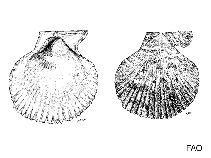
Bivalvia |
Pectinida |
Pectinidae
ສະພາບແວດລ້ອມ: ສະພາບແວດລ້ອມ / ເຂດດິນຟ້າອາກາດ / ລະດັບຄວາມເລິກ / ຂອບເຂດການແຈກຢາຍ
ນິເວດວິທະຍາ
Sessile; ລະດັບຄວາມເລິກ 1 - 270 m (ເອກະສານອ້າງອີງ 87801), usually 70 - 120 m (ເອກະສານອ້າງອີງ 114844). Subtropical, preferred 8°C (ເອກະສານອ້າງອີງ 107945); 26°S - 65°S, 110°W - 53°W
Southeast Pacific, Southwest Atlantic and Antarctic: Magellanic biogeographic province. In the Pacific from Puerto Montt to Strait of Magellan and Cape Horn (56°S) to the Atlantic northwards to Rio de la Plata estuary (35°S). Also from Palmer Archipelago, Antarctica and Easter Island. Introduced in the Mediterranean. Subtropical to polar.
ຄວາມຍາວໃນການເຕີບໂຕເຕັມຄັ້ງທໍາອິດ / ຂະໜາດ / ນ້ຳໜັກ / ອາຍຸ
ການຈະເລີນເຕັມໄວ: Lm ? range ? - ? cm Max length : 7.8 cm SHL ຕົວຜູ້/ບໍ່ມີເພດ; (ເອກະສານອ້າງອີງ 83435)
The Patagonian scallop fishery of this species has been certified by the Marine Stewardship Council (http://www.msc.org/) as well-managed and sustainable (http://www.msc.org/html/content_1294.htm). This is an epifaunal species found at depths of 1 to 270 meters. Adults live on the bottom supported by their right valve while juveniles appear as epibionts of algae and other invertebrates. Single species found in shallow waters and forms large banks in deeper waters. Larvae are free-living (Ref. 87801). It is found in forests of Macrocystis pyrifera (Ref. 92889).
ວົງຈອນຊີວິດ ແລະພຶດຕິກໍາການຫາຄູ່
ການຈະເລີນເຕັມໄວ | ການສືບພັນ | ການວາງໄຂ່ | ໄຂ່ | ຄວາມດົກຂອງໄຂ່ປາ | ຕົວອ່ອນ
Members of the class Bivalvia are mostly gonochoric, some are protandric hermaphrodites. Life cycle: Embryos develop into free-swimming trocophore larvae, succeeded by the bivalve veliger, resembling a miniature clam.
Rosenberg, G. 2009 Malacolog 4.1.1: A Database of Western Atlantic Marine Mollusca. [WWW database (version 4.1.1)] URL http://www.malacolog.org/. (ເອກະສານອ້າງອີງ 83435)
ສະຖານະພາບບັນຊີແດງຂອງ IUCN
(ເອກະສານອ້າງອີງ 130435: Version 2025-2 (Global))
ສະຖານະ CITES (ເອກະສານອ້າງອີງ 108899)
Not Evaluated
CMS (ເອກະສານອ້າງອີງ 116361)
Not Evaluated
ໄພຂົ່ມຂູ່ຕໍ່ມະນຸດ
Harmless
ການນໍາໃຊ້ຂອງມະນຸດ
ການປະມົງ: ເປັນສີນຄ້າ
FAO - ການປະມົງ: landings search; Publication: search | FishSource | ທະເລອ້ອມຂ້າງພວກເຮົາ
ເຄື່ອງມື
ຂໍ້ມູນຕື່ມອີກ
ວົງຈອນຊີວິດການສືບພັນການຈະເລີນເຕັມໄວຄວາມດົກຂອງໄຂ່ປາການວາງໄຂ່ໄຂ່ການພັດທະນາໄຂ່ຕົວອ່ອນ ຟີຊິກສາດການບໍລິໂພກອົກຊີເຈນ
ມະນຸດທີ່ກ່ຽວຂ້ອງສະແຕມ, ຫຼຽນ, ອື່ນໆ.
ແຫຼ່ງອີນເຕີເນັດ
ການຄາດຄະເນໂດຍອີງໃສ່ແບບຈໍາລອງ
ຄວາມຢືດຢຸ່ນ
(Ref. 69278): |
ສູງ, ປະຊາກອນຕຳ່ສຸດທີ່ໃຊ້ເວລາສອງໜ້ອຍກວ່າ 15 ເດືອນ (K=0.19-0.62) |
Rate of population increase
|
Prior r = 0.57, 95% CL = 0.37 - 0.85, Based on 1 data-limited stock assessment. |
ຄວາມສ່ຽງຕໍ່ການຫາປາ
(ເອກະສານອ້າງອີງ 71543) |
Moderate vulnerability (41 of 100). |
ຄວາມສ່ຽງດ້ານສະພາບອາກາດ
(ເອກະສານອ້າງອີງ 125649) |
High vulnerability (62 of 100) |
ປະເພດລາຄາ
(ເອກະສານອ້າງອີງ 80766): |
Medium. |
Nutrients
|
Calcium = 149 [71, 228] mg/100g; Iron = 8.53 [1.95, 15.11] mg/100g; Protein = 9.88 [8.64, 11.12] %; Omega3 = 0.313 [0.202, 0.423] g/100g; Selenium = 61 [50, 72] μg/100g; VitaminA = 0 μg/100g; Zinc = 2.04 [0.56, 3.51] mg/100g (wet weight); based on nutrient studies. |